Funnel vs Funnel-Free Client Attraction: Which Works Best for Coaches in Mumbai, Pune, Delhi, Bangalore, London & New York?
Why This Question Matters So Much Right Now
If you are a coach or mentor sitting in Mumbai, Pune, Delhi, Bangalore, London or New York, you’ve probably been bombarded with conflicting advice:
- One expert says, “Build a long funnel with ads, lead magnets, webinars and email sequences.”
- Another says, “You don’t need funnels at all. Go funnel-free. Just post content and talk to people.”
- Meanwhile you want predictable clients and income, not more confusion.
Maybe you’ve already searched for phrases like “business coaching in mumbai”, “business coaching in pune”, “business coaching in delhi”, “business coaching in bangalore”, “business coaching in london”, “business coaching in new york”, “dubai business coaching”, “singapore business coaching” or “sydney business coaching” – and every site you visit has a different prescription.
This page is designed to give you a clear, practical comparison so you can decide what fits your stage of business, your personality and your market.
To understand why this debate exists — and how client acquisition actually works in coaching beyond just funnels vs funnel-free — read: The Authority Ecosystem Model for Coaches & Independent Professionals.
First, Let’s Define What a “Funnel” Really Is
Before choosing funnel vs funnel-free, we need to remove the hype. A funnel is simply a structured journey that moves a person from “never heard of you” to “paid client”. Typically, for coaches, it includes:
- Traffic source – ads, email, collaborations, social media (Instagram, LinkedIn, YouTube, Facebook groups).
- Lead magnet or event – free PDF, challenge, webinar, masterclass, quiz or consultation.
- Follow-up sequence – emails, messages, retargeting that build trust and handle objections.
- Conversion mechanism – sales page, application form, strategy call or checkout page.
A funnel does not have to be manipulative or fake. Done right, it’s simply a repeatable client attraction system that respects the client’s intelligence and pace.
For a deeper breakdown of funnels, you can study:
- Coaching Funnels Explained – Authority Guide
- Funnels vs No-Funnel Organic Marketing – Detailed Comparison
What “Funnel-Free” Client Attraction Really Means
“Funnel-free” is often marketed as the opposite of funnels, but in reality it is more about low-tech, relationship-first client attraction. Typical funnel-free approaches include:
- Deep networking – building trust through referrals, communities, alumni groups and real conversations.
- Authority content – consistent posts, long-form articles, lives and interviews that position you as a trusted expert.
- Simple invitations – DM conversations, personal messages and direct invitations to explore coaching.
- Low-friction enrolment – a straightforward call and a simple payment link rather than a long automated sequence.
Many coaches – especially in the early stage – are actually using a funnel-free system without realising it: they rely on word of mouth, WhatsApp groups, LinkedIn conversations and Zoom calls.
If you want strategies that keep you closer to your strengths and values, see:
Funnel vs Funnel-Free: Honest Comparison for Real Coaches
Here’s a practical side-by-side view, based on working with coaches across India, the UK, Europe, Dubai, Singapore and North America:
- Speed – Funnels can create faster spikes in leads when you have the budget, copywriting and tech in place. Funnel-free tends to grow slower but often builds stronger relationships.
- Complexity – Funnels introduce tech, tracking, landing pages and automation. Funnel-free relies more on conversations and simple tools.
- Upfront investment – Funnels usually require ad spend, landing page creation and email systems. Funnel-free often needs more time than cash initially.
- Skill requirements – Funnels demand skills in sales psychology, copy, tech and metrics. Funnel-free demands skill in presence, listening, coaching conversations and networking.
- Scalability – Funnels, when they work, are easier to scale beyond your existing network. Funnel-free can be scaled via group programs, memberships and referrals but still depends heavily on you.
This is why many coaches look for an expert business coaching program or an award-winning business coaching program that doesn’t just hand them a “template funnel”, but helps them design a system aligned with their values.
Which Approach Fits Your Stage of Business?
Broadly, I see three stages:
- Stage 1 – Foundations (0–3 clients/month)
Focus on simple, funnel-free actions. Get good at explaining what you do, holding powerful sample sessions and converting warm conversations into paying clients. At this stage, complex funnels usually distract you. - Stage 2 – Stabilisation (3–8 clients/month)
Start introducing lightweight automation – a simple landing page, a scheduling link, a nurturing email sequence. This is where blending funnel + funnel-free begins to make sense. - Stage 3 – Scaling (₹1–15 lakhs/month or 5K–15K USD)
Here, a well-designed funnel can help you grow without burning out. You combine organic visibility with systems, automation, AI tools and data-based decisions.
To understand how funnels, organic marketing and automation come together, study:
Geographies, Niches & Search Intent: Why Your Market Matters
A coach in Mumbai or Pune doesn’t operate in the same ecosystem as a coach in London, New York or San Francisco. People in different markets type different phrases into Google:
- “mumbai entrepreneur coaching”, “pune entrepreneur coaching”, “new york entrepreneur coaching”, “london entrepreneur coaching”, “san francisco entrepreneur coaching”, “chicago entrepreneur coaching”.
- “business coach india”, “melbourne business coach”, “los angeles business coach”, “new york business coach”.
Your decision about funnels vs funnel-free should factor in:
- Local vs global positioning – are you focused on India-only, or India + global?
- B2C vs corporate – individual clients vs organisations.
- High-ticket vs mid/low ticket – what income model you’re moving towards.
Where This Page Sits in Your Learning Path
This is a positioning page inside the Business Coaching “Solutions” hub. From here, your next best steps are:
- Understand income models in depth with Coaching Income Models: How to Earn ₹1–15 Lakhs/Month in India & 5K–15K USD Globally.
- See specific business models in Coaching Business Models Explained and How to Start a Coaching Business – Complete Beginner Roadmap.
- If you already know you want to build systems, look at the transactional pages:
How to Take This Forward With Me
If you resonate with this way of thinking – honest, psychology-backed, system-based – explore more about who I am and how I work:
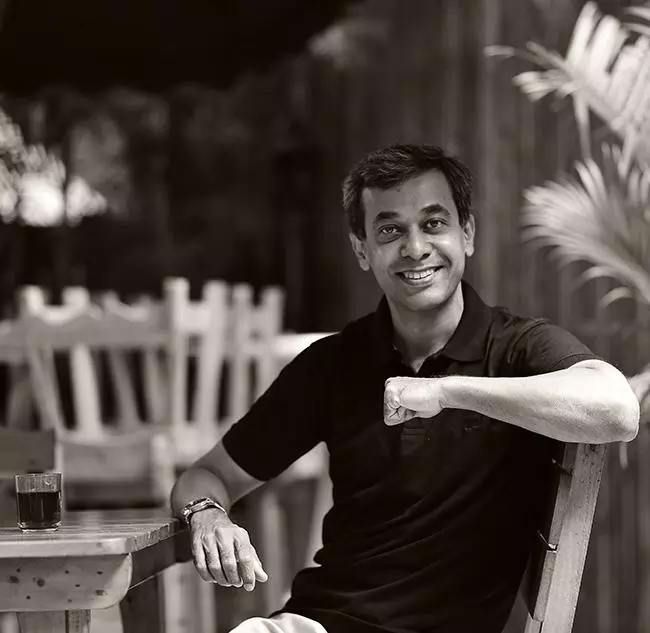
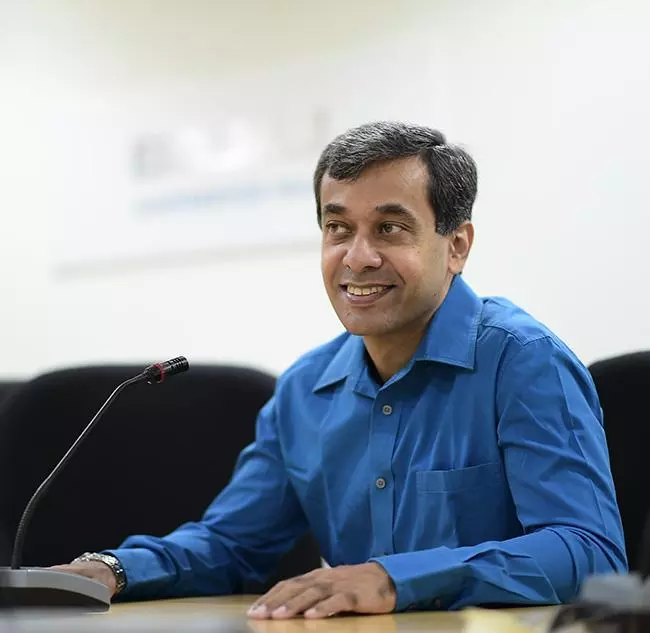
- Meet Anil Dagia – Author, NLP Master Trainer & Business Coach
- Read the full story & philosophy behind my ecosystem
- Media, press features & interviews
When you’re ready to talk about your specific situation, book a free clarity conversation:
👉 Book a Free 30-Minute Clarity Call with Me
On that call we can look at whether a primarily funnel-based, funnel-free or hybrid approach is the smartest way for you to grow in your city, niche and income range.
Frequently Asked Questions – Funnel vs Funnel-Free Client Attraction
What is the difference between funnel and funnel-free client attraction for coaches?
A funnel-based approach uses structured steps like lead magnets, webinars, email sequences and sales pages to move a prospect from stranger to paid client. Funnel-free client attraction focuses more on relationships, organic visibility, conversations and referrals without relying on complex automation. For coaches in cities like Mumbai, Pune, Delhi, Bangalore, London and New York, the smartest approach is usually a hybrid that blends simple funnels with authentic, funnel-free relationship building.
Which works better for coaches in Mumbai, Pune, Delhi, Bangalore versus London or New York?
In markets like Mumbai, Pune, Delhi and Bangalore, a relationship-first or funnel-free approach often works very well in the early stages because referrals, communities and warm networks are strong. In global hubs like London and New York, structured funnels combined with authority content and automation can help you reach a wider audience and sell in higher currencies. However, the real answer depends on your niche, positioning, offer and capacity, which is why a tailored mix of funnel and funnel-free strategies is usually best.
Do I need a complex funnel to attract high-paying coaching clients?
No. Most coaches in India, the UK or the US do not need a complicated, multi-step funnel to start signing high-paying clients. You usually need a clear offer, a simple way for people to book a call, a basic follow-up system and a way to consistently get in front of the right people in Mumbai, Pune, Delhi, Bangalore, London or New York. Advanced funnels make sense after your core message and conversion process are proven.
Can I combine funnel and funnel-free strategies in my coaching business?
Yes. The most effective coaching businesses use a hybrid model. For example, you might rely on funnel-free strategies like referrals and conversations to sign clients in your city while also running a simple webinar funnel or email sequence to reach clients in London, New York or other global markets. This blended strategy gives you the stability of relationships plus the scalability of systems and automation.
How do I decide which client attraction model fits my current stage of business?
Your stage of business is more important than your location. If you are still building your first few clients in Mumbai, Pune, Delhi or Bangalore, focus on simple, funnel-free actions like conversations and sample sessions. Once you are consistently signing clients, you can add a basic funnel for audiences in London, New York or globally. When your income stabilises in the ₹1–15 lakhs or 5K–15K USD range, you can then invest in more sophisticated funnels and automation.