The Global Coaching Competency Deep-Dive: ACC, PCC & MCC Skill Progression Across India, USA, UK & Europe
Why Coaching Competencies Matter More Than Fancy Labels
Anyone can call themselves a “coach”. What separates a casual helper from a true professional is the ability to consistently demonstrate ICF coaching competencies in real conversations – whether you are coaching in Mumbai, Pune, Delhi, London, New York, Berlin or Toronto.
This guide is a practical, globally relevant view of how ACC, PCC and MCC levels reflect different depths of skill, presence and embodiment. If you are googling phrases like “ICF coaching competencies”, “ICF core competencies ACC PCC MCC”, “ICF accreditation pathways” or “ICF coach salary in India / USA”, you are in the right place.
What Are ICF Coaching Competencies?
The International Coaching Federation core competencies describe the observable behaviours of effective professional coaches. They are grouped into clusters such as:
- Ethical practice & coaching mindset – how you show up.
- Co-creating the relationship – trust, safety and clarity of agreements.
- Communicating effectively – listening, questioning and direct communication.
- Cultivating learning and growth – awareness, action and accountability.
Whether you pursue ICF ACC, PCC or MCC, these coaching competencies are the backbone of your assessment, recordings and long-term success as a coach.
ACC, PCC & MCC – What Really Changes?
On paper, people see ICF accreditation requirements like training hours, coaching hours and mentor coaching. But from a skills perspective, here is a practical way to think about ACC, PCC and MCC skill progression:
ACC – Your First Professional Level
- You demonstrate a consistent, basic application of the ICF coaching competencies acc level.
- You can run sessions where the client feels heard and leaves with meaningful actions.
- Recordings show clear contracting, exploration and accountability – even if some parts feel a bit “structured”.
- You are learning to trust the process rather than rush to advice.
Many coaches in Mumbai, Pune, Delhi, Bangalore, London and New York build a solid career at ICF ACC, especially when combined with a clear niche and strong business systems.
PCC – Deepening Presence, Range & Ease
- You show the ICF coaching competencies pcc level with more fluidity and depth.
- Sessions feel less “step-by-step” and more like a co-created exploration.
- You work confidently with emotions, limiting beliefs and complex stakeholder systems.
- Your questions cut deeper, your silence is more powerful, and your clients create bigger shifts.
In markets like India, USA, UK and Europe, many organisations prefer ICF PCC for executive and leadership coaching assignments – particularly in cities such as Mumbai, London, Berlin, Amsterdam and Zurich.
MCC – Mastery, Subtlety & Embodiment
- You demonstrate ICF coaching competencies mcc level with a sense of lightness and deep presence.
- There is almost no “technique showing”; instead, there is a felt experience of partnership.
- You hold complex, emotional and strategic issues with ease while the client does the heavy lifting.
- Your questions and reflections often create identity-level shifts for the client.
While not everyone needs to become MCC, understanding the ICF pcc vs mcc coaching skill depth helps you see your long-term growth path.
Global Coaching Competencies: India, USA, UK & Europe
One of the most powerful aspects of ICF accredited coaching programs is that the competencies create a shared global language. When you demonstrate these skills, you can work with clients in:
- India – Mumbai, Pune, Delhi, Bangalore, Chennai, Hyderabad, Kolkata, Ahmedabad.
- USA – New York, San Francisco, Chicago, Los Angeles, Miami, Houston, Atlanta.
- UK – London, Birmingham, Manchester.
- Europe – Berlin, Paris, Amsterdam, Barcelona, Zurich and beyond.
When you read phrases like “global coaching competencies in India USA UK Europe” or “ICF credentialing path for coaches in London and Berlin”, they all point back to the same core framework – applied in different cultural contexts.
Skill Progression in Real Life – From ACC to PCC to MCC
Here is how acc pcc mcc skill progression often shows up in practice, beyond theory:
- ACC coach in Mumbai – runs structured sessions with clear contracting, uses powerful questions and supports clients to define actions. Focus is on “getting it right”.
- PCC coach in London – holds more complex dynamics, invites deeper reflection, stays spacious even when the client is emotional. Focus is on “being with” rather than “doing to”.
- MCC-level presence in Berlin or New York – the coach’s being and presence itself is transformative. Techniques are invisible; partnership and awareness are central.
One important sign of competency depth is how a coach works when the client is emotionally triggered or experiencing an identity-level threat. In such moments, ACC, PCC and MCC skill progression becomes visible through presence, trust, active listening, emotional intelligence and the ability to evoke awareness without rescuing, advising or pushing. For a deeper explanation, read: Emotional Triggers and Identity Threat.
Your journey through ICF accreditation pathways acc pcc mcc is less about collecting badges and more about who you are becoming as a coach.
Competencies & Career – Where Do You Want Coaching To Take You?
Many coaches come into ICF training with questions like:
- “Can I really build a coaching career in India?”
- “What does an ICF coach salary in India or the ICF coach salary in USA look like?”
- “Do I need ACC first and then PCC, or can I go straight to PCC?”
The honest answer: your coaching career is built at the intersection of:
- Skill depth (how well you embody the ICF coaching competencies).
- Positioning (how clearly you are known for solving a specific problem).
- Business systems (how you attract, convert and serve clients consistently).
Credentials like ICF ACC, PCC and MCC give you credibility in India, Dubai, Singapore, London, New York, Toronto and beyond – but they create real income only when combined with practical, ethical business-building.
How This Guide Fits Into the Bigger ICF Knowledge Map
This page is part of a larger, integrated ICF coaching knowledge ecosystem. To get a full picture, you can move through the pages in this sequence:
- Step 1 – Understand the Basics
👉 What Is ICF Coaching? ACC, PCC, Credentialing Steps & Global Opportunities - Step 2 – Deep-Dive into Competencies
👉 ICF Core Competencies Explained (for a detailed behaviour-by-behaviour breakdown) - Step 3 – Compare Credential Levels
👉 ACC vs PCC: Requirements, Skill Depth, Fees & Career Potential - Step 4 – See Real Case Studies
👉 Case Study: ACC Coaching Transformation Journey of a Corporate Manager
From Understanding to Implementation – Programs That Build Real Skill
Once you understand the coaching competency deep dive at a conceptual level, the next step is to build recordable, assessable skill that stands up to ICF evaluation.
If you want the NLP + ICF integration pathway (not just coaching skill in isolation):
👉 NLP + ICF Integrated Coach Training
👉 ICF Accredited NLP Training – NLP Practitioner & Master Practitioner
- Choosing your pathway & roadmap
👉 How to Choose the Best ICF Mentor or Training Program
👉 Complete Coaching Career Roadmap
👉 Choosing the Right ICF Pathway
👉 ICF vs NLP vs Coaching - Practically building ACC/PCC-level competency
👉 Coaching Competency Deep-Dive – focused practice modules for ACC/PCC mastery.
👉 ICF Mentor Coaching Program – structured feedback on your real recordings.
👉 ICF Credentialing Exam Preparation Program – to pass the exam with confidence.
👉 ICF Advanced Coach Performance Accelerator – for coaches moving towards PCC/MCC-level ease.
India, USA, UK, Europe – Different Markets, Same Core Skills
Whether you coach in Mumbai, Pune, Delhi, Bangalore, Chennai, Kolkata, or in New York, Chicago, San Francisco, London, Manchester, Berlin, Paris, Amsterdam or Zurich, the same questions matter:
- “Am I truly embodying the ICF coaching competencies?”
- “Do my recordings reflect ACC/PCC/MCC standards?”
- “Would a client in Dubai, Singapore or Sydney experience me as a grounded, ethical, professional coach?”
That is the real promise of ICF accredited coaching programs – not just a certificate, but a globally portable way of working that holds up across cultures and markets.
About Your Mentor & Trainer – Anil Dagia
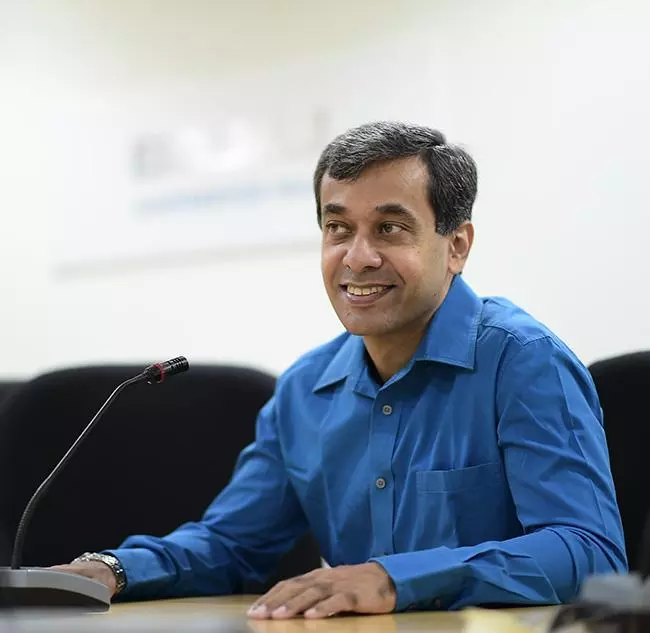
This entire ecosystem of ICF coaching knowledge, positioning and training is designed and led by Anil Dagia – recognised by many as one of the best ICF coaches in India, a top coach trainer and an expert in integrating ICF coaching, NLP and Emotional Intelligence.
Related next steps inside the integrated ecosystem:
👉 NLP Master Trainer in India – Anil Dagia
👉 NLP + ICF Integrated Coach Training
- Author & Trainer Profile – credentials, experience and global work.
- About Page – the story and philosophy behind his integrated ecosystem of programs.
- Media & Press – interviews and independent coverage.
Your Next Step – Clarify Your Pathway
If you are serious about building a coaching career – whether as a life coach, executive coach, leadership coach or business coach – your competencies are the engine. Credentials, income and impact are the by-products.
- 👉 Start by reading the full ICF authority and comparison guides linked above.
- 👉 Then shortlist one or two pathways that make sense for where you are right now.
- 👉 When you want direct guidance on what’s best for you, have a conversation rather than guesswork:
Book a Free 30-Minute Clarity Call to map your journey from where you are to ACC, PCC or beyond – in a way that fits your life, your market and your aspirations.
From India to USA, UK to Europe, the coaches who thrive are not just the ones with certification – they are the ones who treat competencies as a living practice. This guide is your invitation to become one of them.
Frequently Asked Questions – Global Coaching Competency Deep-Dive
What are ICF coaching competencies?
ICF coaching competencies describe the behaviours of effective coaches across the world—from India to the USA, UK and Europe. They include ethical practice, coaching presence, communication and enabling client growth.
What is the difference between ACC, PCC and MCC?
ACC demonstrates foundational coaching skills, PCC reflects deeper presence and fluidity, and MCC represents mastery. Coaches in India, USA, UK and Europe use these levels to build globally recognised careers.
How do coaching competencies apply in different countries?
The core ICF competencies remain universal but are applied across diverse contexts—from corporate coaching in Mumbai, London and Berlin to leadership coaching in New York, Chicago, Sydney and Singapore.
How can I improve my ICF coaching competency level?
Coaches strengthen their competency level through mentor coaching, supervised practice, competency deep-dive programs and real client recordings reviewed across India, USA, UK and Europe.